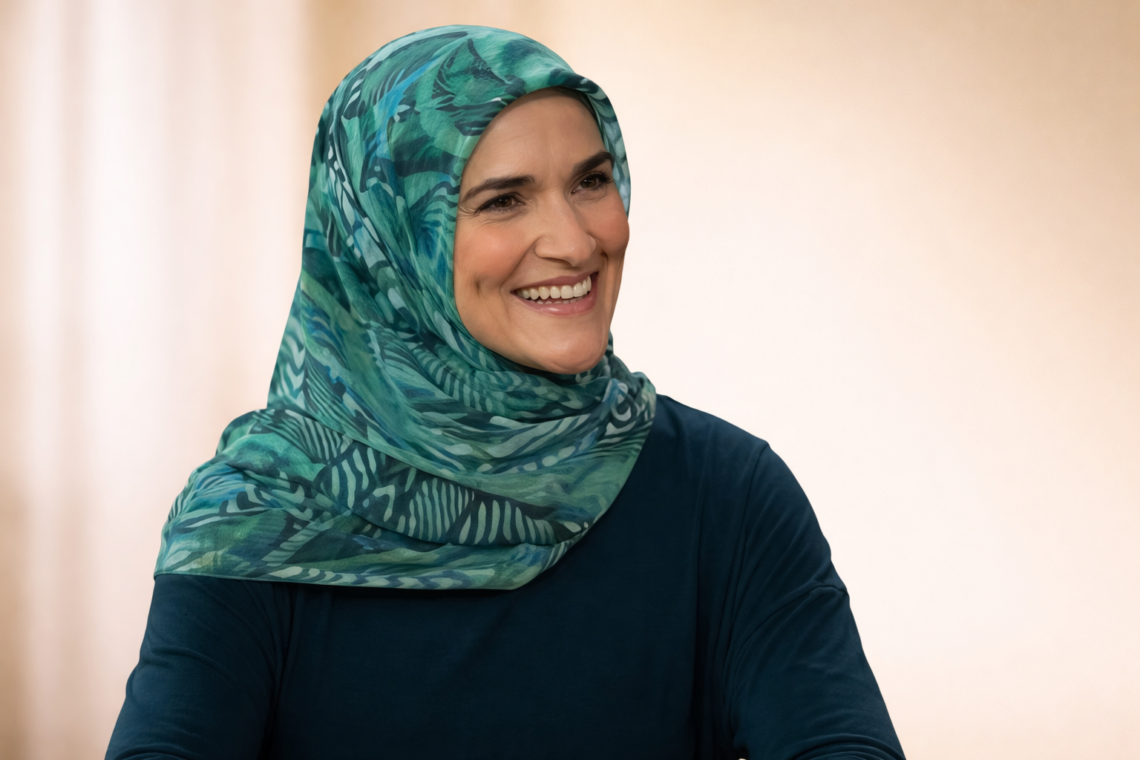
Dalia Asafi is widely recognized as the devoted wife of NBA legend Hakeem Olajuwon, one of the most iconic figures in basketball history. While Hakeem’s achievements on the court are celebrated around the world, Dalia has maintained a remarkably private life, keeping her family and personal history largely away from public scrutiny. Despite this, her life story, heritage, and role as a mother and spouse have drawn interest from fans, particularly those curious about the woman behind one of basketball’s greatest players. Dalia’s journey from her early years in Nigeria to life in the United States and her family life with Hakeem reflects a blend of tradition, faith, and dedication.
Early Life and Background
Dalia Asafi was born in Nigeria, with her early life grounded in the cultural and religious traditions of her community. Her parents instilled strong family values and a commitment to faith, which would later play an important role in her life decisions, including her marriage. While the precise details of her parents, mother, and father remain private, it is known that she grew up in a Nigerian household that emphasized community, cultural identity, and spiritual guidance. Her ethnicity is Nigerian, and some sources suggest she has Hausa-Fulani heritage, reflecting the rich diversity within her homeland. From an early age, Dalia demonstrated a sense of poise and responsibility, qualities that would shape her adult life as a partner and mother.
Meeting Hakeem Olajuwon and Marriage
Dalia Asafi met Hakeem Olajuwon through faith and community connections, reflecting the role of shared religious values in their relationship. Both were devout Muslims, and their introduction was guided by family and cultural considerations rather than casual dating. Their relationship blossomed within the context of Islamic traditions, and the marriage was formalized with family guidance and religious oversight. Dalia was only 18 years old when she married Hakeem in 1996, while Hakeem was 33, highlighting a significant age difference that was nonetheless embraced within their cultural framework. Their union was characterized by mutual respect, shared faith, and a commitment to family life.
Dalia’s role as Hakeem Olajuwon’s wife has been primarily centered on family support, and she has chosen to remain away from the media spotlight. She did not pursue a public career or seek fame, focusing instead on her home, children, and nurturing a stable environment for her family. Her decision to maintain privacy has allowed her to create a life centered on values, faith, and family, rather than the trappings of celebrity culture.
Family and Children
Dalia and Hakeem Olajuwon have three children together: Rahmah, Aisha, and Abdullah (also referred to as Abdul or Aziz in some sources). These children have grown up within a home that emphasizes education, cultural heritage, and spiritual development. The family’s life in Houston, Texas, has been largely private, although they occasionally appear in public events related to Hakeem’s professional or philanthropic work.
Hakeem Olajuwon also has a daughter from a previous relationship, Abisola Olajuwon, known professionally as Abi Olajuwon, who has pursued a career in basketball coaching and previously played in the WNBA. While Abi is Hakeem’s daughter from a prior relationship, she shares a close familial bond with Dalia and the rest of the Olajuwon family. This blended family illustrates a balance of modern family dynamics while maintaining respect for faith and cultural traditions.
Dalia’s influence as a mother has been significant, providing guidance and stability to her children. While she has largely avoided the public eye, her nurturing role has allowed her children to thrive academically, socially, and in their personal development. The Olajuwon children have benefited from a household that values education, discipline, and spiritual grounding, reflecting Dalia’s personal commitment to her family’s welfare.
Nationality, Ethnicity, and Cultural Identity
Dalia Asafi’s nationality is Nigerian, though she has spent the majority of her adult life in the United States. Her Nigerian roots play an important role in her cultural identity, and she has maintained traditions, religious observances, and values from her heritage throughout her life. Her ethnicity as Nigerian, potentially with Hausa-Fulani roots, is often noted in discussions of her background. Dalia’s cultural identity is closely intertwined with her role as a Muslim wife and mother, and she continues to observe the customs and spiritual practices that have defined her family life.
Her life serves as an example of balancing traditional heritage with the demands of life in a Western country, particularly within the context of being married to a high-profile public figure. Dalia has managed to preserve her identity while supporting her husband’s career and fostering a family grounded in faith, tradition, and mutual respect.
Public Image and Lifestyle
Unlike many spouses of famous athletes, Dalia Asafi has maintained a private lifestyle. She does not actively participate in social media, public events, or celebrity interviews, choosing instead to cultivate a personal life away from the media’s gaze. Her public appearances are rare and typically revolve around family events or faith-based activities. This discretion has allowed her family to enjoy a level of normalcy despite Hakeem’s fame.
Details about Dalia’s physical attributes, including height, are not publicly documented, reflecting her choice to keep personal information private. She is best described as a private homemaker and family anchor, whose contributions to her family’s cohesion and stability are invaluable yet largely unseen by the public.
Role in Hakeem Olajuwon’s Life
Dalia’s influence in Hakeem Olajuwon’s life extends beyond family support. She has been a source of personal strength and spiritual guidance, helping him navigate life after basketball and maintaining a stable home environment. Her presence has contributed to Hakeem’s ability to focus on his post-NBA endeavors, including philanthropic work, business ventures, and community engagement. The Olajuwons’ partnership exemplifies a marriage rooted in shared values, faith, and mutual respect.
While Dalia does not seek recognition, her role in Hakeem’s life demonstrates the importance of private support systems for high-profile individuals. Her steady presence has enabled the Olajuwon family to thrive both personally and professionally, and her contributions are a testament to the strength and resilience of women who choose family over public attention.
Legacy and Influence
Dalia Asafi’s legacy is defined not by media presence or public acclaim, but by her dedication to family, faith, and cultural values. She has nurtured a family that balances public achievements with personal integrity and spiritual grounding. Her children, raised in a supportive and values-driven environment, reflect her influence and the importance she places on education, faith, and family cohesion.
Though her life may be largely hidden from public view, Dalia’s impact is felt through the stability and unity of the Olajuwon family. Her commitment to private life, coupled with her unwavering support for her husband and children, paints a portrait of a woman whose influence is profound, even if it remains largely unseen.
Conclusion
Dalia Asafi remains one of the most private and enigmatic figures associated with the NBA, known primarily as the wife of Hakeem Olajuwon. Her life story encompasses Nigerian heritage, strong faith, and a dedication to family that stands in contrast to the public attention surrounding her husband. From her early years in Nigeria to her marriage at a young age and the raising of her children in Houston, Dalia’s life is a testament to the enduring importance of faith, family, and cultural values. Her legacy may not be widely publicized, but it is deeply embedded in the stability, unity, and growth of the Olajuwon family, reflecting a quiet yet powerful influence on one of basketball’s most legendary figures.