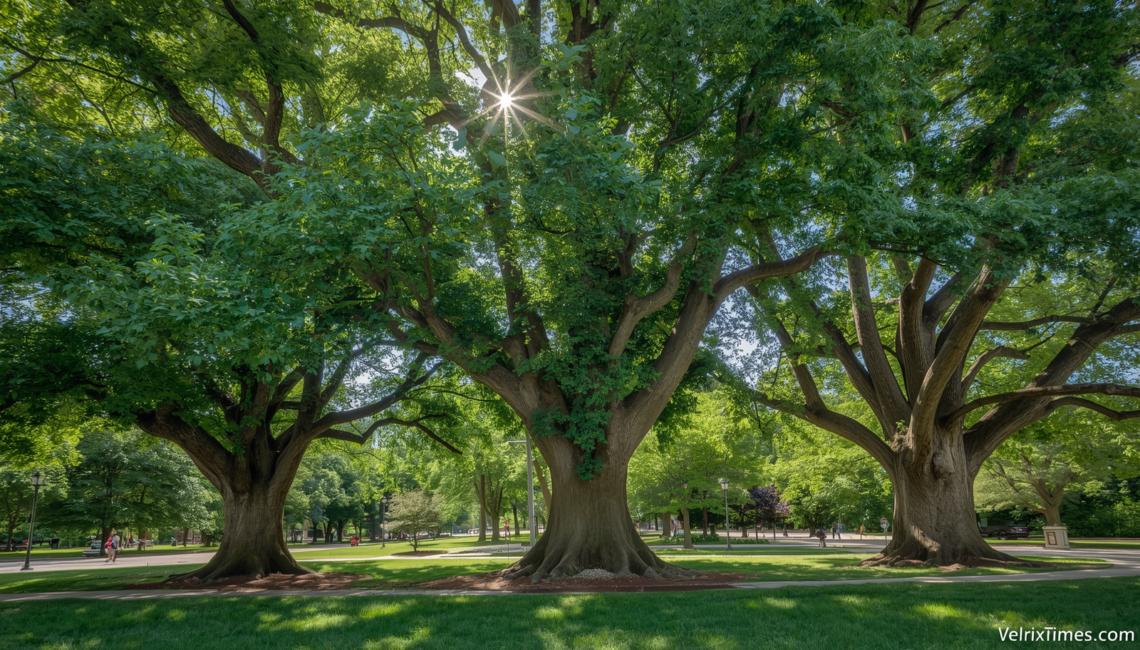
Lewis Center, Ohio, is widely known for its thriving communities, excellent schools, and convenient access to Columbus. Beyond its suburban charm, the area is home to a remarkable natural heritage: champion trees. These trees are not simply old or tall; they represent the largest known specimens of their species in the state or local area. They are living monuments of the past, preserved through centuries of ecological change, and provide invaluable insight into Ohio’s native flora.
The study and recognition of champion trees in Lewis Center help residents and visitors alike understand the ecological richness of the region. They demonstrate how certain species thrive under Ohio’s climate and soil conditions, and their preservation contributes to local biodiversity. Beyond their scientific significance, these trees are also important community landmarks, offering shade, beauty, and environmental benefits to the neighborhoods and parks they inhabit.
Understanding Champion Trees in Ohio
Champion trees in Ohio are recognized by their exceptional size, which is measured using standardized criteria that include trunk circumference, total height, and crown spread. The Ohio Champion Tree Program maintains a comprehensive registry of these giants, providing an official record of the largest trees for each species. This system helps botanists, arborists, and nature enthusiasts identify and protect trees that are extraordinary examples of their kind.
In Lewis Center, the champion trees program highlights species that have thrived despite urban expansion. Trees are assessed using a formula that combines trunk girth, height, and crown dimensions, producing a numerical score that determines the tree’s status. This method allows for fair comparisons between trees of the same species and ensures that exceptional specimens receive recognition and protection.
Champion trees are not merely impressive for their size. They serve essential ecological functions, such as carbon storage, soil stabilization, and habitat provision for birds, insects, and small mammals. Their presence enhances local ecosystems and promotes environmental health in a community that is increasingly developed and suburbanized.
The Environment Around Lewis Center
Lewis Center is situated in central Ohio, an area characterized by fertile soils deposited by ancient glacial activity. These soils provide deep, nutrient-rich foundations that support large tree growth. Combined with the region’s moderate rainfall and seasonal climate, these conditions create an ideal environment for hardwoods and other large tree species to flourish.
Waterways such as Alum Creek and the Olentangy River further enhance the habitat, offering consistent moisture that benefits fast-growing species like cottonwoods and sycamores. Historical land use, including agriculture and early settlement, often allowed certain trees to persist. Trees that offered shade, marked property boundaries, or held significance for settlers were frequently preserved, enabling them to reach champion size today.
The mix of suburban development and preserved natural areas around Lewis Center provides a mosaic of habitats for large trees. Parks, riparian corridors, and private properties each contribute to the region’s champion tree population, highlighting the importance of careful land management and conservation practices.
Common Champion Tree Species in the Area
Several tree species near Lewis Center are frequently recognized for their champion status. White oaks are among the most celebrated, known for their long lifespans, expansive trunks, and broad crowns. White oaks support a rich diversity of wildlife, including birds, squirrels, and insects, making them central to Ohio’s forest ecosystems.
Eastern cottonwoods are another notable species. Their rapid growth and impressive height make them strong contenders for champion status. Cottonwoods thrive along creek banks and floodplains, where their roots access abundant water, allowing them to reach heights exceeding 100 feet under ideal conditions.
American sycamores are widely recognized for their massive trunks and distinctive bark. These trees excel in riparian environments, with their wide crowns providing shade and supporting local habitats. Other species, including silver maples, sugar maples, and Ohio buckeyes, also contribute to the champion tree landscape, representing the region’s rich arboreal diversity.
Locations to See Champion Trees Near Lewis Center
Champion trees are often located in public parks and natural areas accessible to visitors. Alum Creek State Park features several large trees, particularly near its waterways, where conditions favor the growth of species such as sycamores and cottonwoods. These trees stand as visible reminders of the area’s natural heritage while offering recreational and educational opportunities to the public.
Highbanks Metro Park is another prime location. Its mature forests preserve specimens that have grown unimpeded for decades. White oaks and tulip poplars dominate the forest canopy, providing shade, shelter, and a sense of continuity with Ohio’s historical landscapes. Smaller parks and conservation preserves throughout Lewis Center and Delaware County also host noteworthy trees, sometimes on private properties or school grounds, adding to the region’s arboreal richness.
These trees are not only accessible to those seeking natural beauty but also serve as outdoor classrooms. Students, volunteers, and residents can learn about tree biology, forest ecology, and environmental stewardship while observing these impressive specimens in their natural surroundings.
Community and Conservation Efforts
Preservation of champion trees requires collaboration between private landowners, local governments, and community organizations. Property owners often consult arborists to maintain tree health, prevent root damage, and ensure safe coexistence with nearby development. In many cases, citizen science projects enable residents to nominate trees for official champion status, contributing to statewide registries.
Environmental organizations and local groups also raise awareness through guided nature walks, educational programs, and public events. These efforts emphasize the ecological and cultural significance of champion trees, encouraging community members to take an active role in their protection. Municipal policies, including tree preservation ordinances, further ensure that these giants are safeguarded during development and infrastructure projects.
By fostering a culture of care and stewardship, Lewis Center and surrounding areas are helping to preserve not only individual trees but also the broader ecological and historical narratives they represent.
How Champion Trees Are Measured
Champion trees are evaluated using a precise methodology. Trunk circumference is measured at 4.5 feet above the ground, known as breast height, to provide a standardized comparison. Total height is recorded from the base to the tallest living point of the tree, while crown spread is averaged to account for variations in canopy shape. These three measurements are combined into a formula that assigns a score to each tree, determining its champion status.
Verification includes on-site inspections, photo documentation, and expert evaluation. Forestry professionals or trained volunteers conduct these measurements to ensure accuracy. Once confirmed, trees are entered into official state or national champion registries, which are updated as new specimens are discovered or existing trees grow and change over time. This rigorous process maintains the integrity of champion tree designations and ensures that recognized specimens truly represent the largest and most impressive examples of their species.
Challenges Facing Champion Trees
Despite their resilience, champion trees near Lewis Center face threats from urban expansion, construction, and environmental stressors. Root damage during development, soil compaction, and altered water flow can compromise tree health. Even preserved areas are susceptible to disease, pests, and extreme weather, which can damage branches, crowns, or entire trees.
Invasive species, such as the emerald ash borer, pose additional risks by targeting specific tree species. Climate change also introduces uncertainty, with shifting precipitation patterns and temperature extremes stressing long-established trees. Effective preservation requires ongoing monitoring, community involvement, and adaptive strategies to address both immediate and long-term challenges.
The Importance of Champion Trees Today
Champion trees are more than impressive natural monuments; they are ecological assets that enrich communities. In Lewis Center, these trees provide shade, improve air quality, store carbon, and maintain soil stability. They also serve as historical markers, connecting residents with the natural legacy of the region.
By appreciating and protecting these trees, communities preserve vital environmental services and create spaces for education and recreation. Champion trees remind us of the resilience of nature and the importance of stewardship. Their presence in Lewis Center underscores the balance between development and conservation, ensuring that these giants continue to stand as symbols of natural heritage for generations to come.
Conclusion
Champion trees in and around Lewis Center, Ohio, are more than remarkable specimens of size and age—they are living testaments to the region’s ecological history and natural heritage. These giants, including white oaks, cottonwoods, sycamores, and maples, provide essential environmental benefits such as habitat for wildlife, carbon storage, soil stabilization, and cooling through shade. They also serve as cultural and educational landmarks, connecting residents with Ohio’s rich arboreal legacy.
Preservation of these trees requires a collaborative effort among local communities, private landowners, and conservation organizations. Through careful stewardship, measurement, and protection, Lewis Center can continue to celebrate and maintain its champion trees, even amid urban growth and environmental challenges. By valuing these natural treasures today, the community ensures that future generations will have the opportunity to admire, study, and benefit from these living monuments, reinforcing the critical link between people and nature in central Ohio.