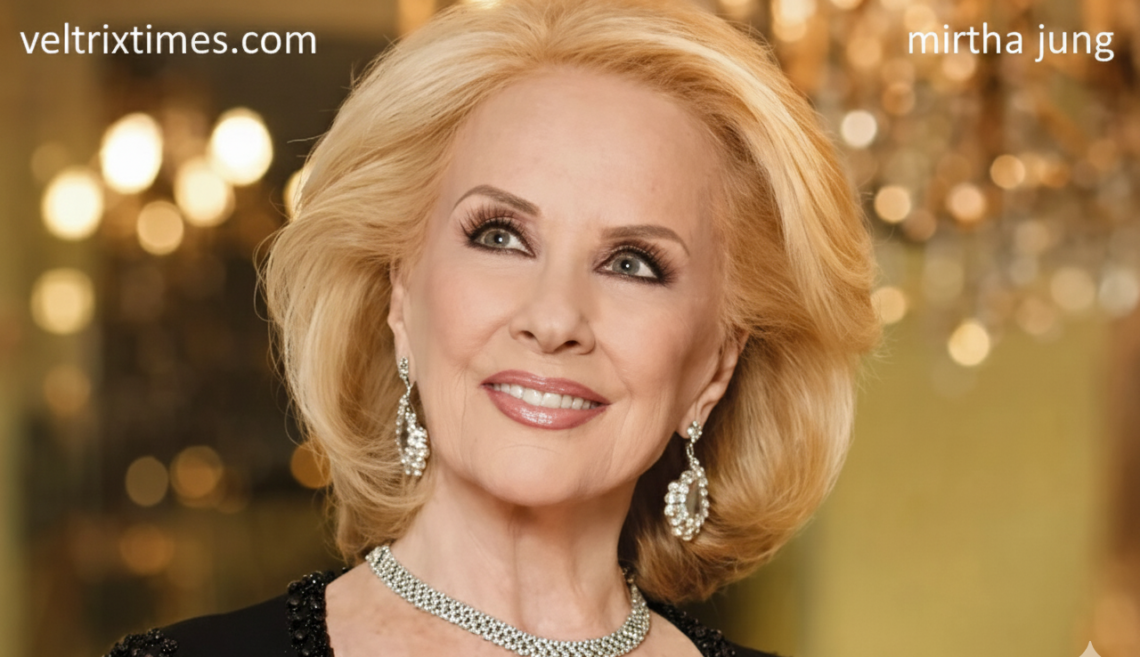
Mirtha Jung, whose name became widely known due to her connection with the infamous drug trafficker George Jung, has led a life that encapsulates both the perils of addiction and the potential for personal transformation. Her story is one that resonates with many, not just because of her involvement in the illegal drug trade, but because of her journey toward reinvention and redemption. This article will delve into the life of Mirtha Jung, providing a detailed exploration of her background, relationship with George Jung, role in the drug trade, personal struggles, and eventual quest for privacy and a better life.
Early Life and Background of Mirtha Jung
Mirtha Jung was born as Mirtha Calderón on December 3, 1952, in Cuba. Not much is known about her early years, as she has largely remained private about her family life and childhood. What we do know is that her early years in Cuba were marked by the struggles many Cubans faced during the mid-20th century, especially after the Cuban Revolution, which led to significant political and economic turmoil. Her family, like many others, sought better opportunities, eventually relocating to the United States. This move marked the beginning of a new chapter in her life, one that would later intersect with some of the most notorious figures in the world of crime.
Growing up in the post-revolutionary environment in Cuba, Mirtha was likely influenced by the upheaval of the time, which would later shape her decisions and interactions with the people she met. The story of Mirtha Jung is not just about an individual, but about a time and place that created a backdrop of both danger and opportunity for many. In the early years of her life, as she transitioned from Cuba to the U.S., she would find herself involved in a world far removed from what most would consider normal, especially as she became entangled in the high-stakes world of drug trafficking.
Meeting George Jung: A Life-Changing Encounter
In the 1970s, Mirtha Jung’s life took a dramatic turn when she met George Jung, the man who would become her husband and introduce her to the world of cocaine trafficking. George was already entrenched in the illicit drug trade by the time they crossed paths. He had established a network for importing cocaine from Colombia to the United States, working with powerful figures such as the Medellín Cartel, headed by the notorious Pablo Escobar. Their meeting was not a chance encounter, but rather a fateful event that would define the trajectory of both their lives.
Mirtha and George’s relationship blossomed quickly, despite Mirtha initially being engaged to another man. She soon found herself drawn to George’s charisma and the dangerous yet alluring world he inhabited. In 1977, the couple married, solidifying their partnership not only in marriage but in the high-stakes, risk-filled world of international drug trafficking. Their marriage symbolized both ambition and chaos, as they navigated a life fraught with addiction, secrecy, and the constant danger of law enforcement and rival cartels.
During their marriage, Mirtha took on a more active role within George’s operations, assisting him in managing logistics, maintaining communications, and running errands that kept their criminal empire running smoothly. As the 1980s progressed, their lifestyle became increasingly lavish, but so did the risks they faced. The vast amounts of money flowing in from drug trafficking were accompanied by the unrelenting danger of the law and the cartel’s potential wrath.
Marriage, Crime, and the Cocaine Trade
Mirtha and George’s marriage was deeply intertwined with the cocaine trade. As George became a pivotal figure in smuggling cocaine into the United States, Mirtha played a significant role behind the scenes. She helped to coordinate the complex operations that allowed for the smooth transport of drugs, working closely with George and others in the network. Together, they became part of one of the most profitable drug networks in the world.
Their lives were filled with wealth, luxury, and travel, as George’s success in the cocaine trade allowed them to live in high-end homes and experience a level of luxury few could imagine. However, this glamorous lifestyle came with significant costs. Both George and Mirtha struggled with addiction, and their marriage was increasingly strained under the pressure of criminal life. Drugs, violence, and the constant fear of betrayal or arrest created a toxic environment that affected not only their marriage but their health and well-being.
The cocaine empire that George and Mirtha were a part of was incredibly lucrative. By the mid-1980s, George Jung was responsible for smuggling a significant portion of the cocaine entering the United States. His connections within the Medellín Cartel, which controlled much of the international cocaine trade, enabled him to operate on a scale that few could compete with. However, the toll that this lifestyle took on both George and Mirtha was enormous. Despite the wealth, their lives were filled with paranoia, addiction, and constant danger.
Parenthood Amidst Chaos
In 1978, Mirtha gave birth to a daughter, Kristina Sunshine Jung. Motherhood added a new layer of complexity to Mirtha’s life. On the one hand, she was deeply involved in the cocaine trade with George, but on the other, she was now responsible for the well-being of her child. This conflict between being a mother and being a part of a dangerous world filled with drugs, violence, and crime would shape Mirtha’s choices in the years to come.
Motherhood did not shield Mirtha from the harsh realities of the drug trade, but it did add an emotional dimension to her life. Her love for Kristina was a motivating factor in her eventual decision to leave behind the life she had been living with George. Despite the chaotic environment, Mirtha was fiercely protective of her daughter. As the drug trade took its toll on her marriage, Mirtha’s concerns for her child’s future grew. The pressure to protect Kristina from the dangers of their lifestyle became one of the driving forces behind Mirtha’s eventual departure from George and the criminal world.
While it is difficult to ascertain the exact nature of Mirtha’s relationship with her daughter during these years, it is clear that being a mother created internal tensions for her. The decision to have a child while immersed in a criminal empire speaks volumes about her conflicting desires and the complexity of her situation.
Read More : Mirtha Jung: A Life Beyond the Spotlight
Arrest, Prison, and the Path to Redemption
As law enforcement agencies cracked down on drug trafficking in the early 1980s, both George and Mirtha were eventually arrested. Their involvement in the smuggling operation led to their downfall, and they faced significant legal consequences. Mirtha was convicted for her role in the operation, and her time in prison became a pivotal moment in her life.
While incarcerated, Mirtha had to confront the reality of her actions. The time spent behind bars was not just a punishment, but a period of reflection. Mirtha’s journey in prison was one of self-discovery, as she began to understand the full scope of the damage her involvement in the drug trade had caused—not just to herself and her family, but to society at large.
After serving her sentence, Mirtha made the decision to leave behind her former life. She divorced George in 1984, and gradually distanced herself from the criminal world. The years in prison and the subsequent period of reintegration into society marked a significant turning point in her life. She sought a quiet, more stable existence, away from the spotlight and the dangers of her past.
Mirtha’s Portrayal in Blow
The 2001 film Blow, based on the life of George Jung, brought Mirtha Jung’s story to the silver screen. Played by actress Penélope Cruz, Mirtha was portrayed as a pivotal character in George’s rise to fame within the drug trade. The film dramatized their relationship and the events surrounding George’s involvement with the Medellín Cartel.
However, as with most Hollywood portrayals, Blow took creative liberties, simplifying and sensationalizing certain aspects of Mirtha’s life for cinematic effect. While the film captured the excitement and danger of George and Mirtha’s lives, it failed to capture the full depth of the emotional toll that their involvement in the drug trade had on Mirtha as a person. The reality of her experiences was far more complex than what was shown on screen.
Despite the dramatization, Mirtha’s portrayal in the film introduced her to a broader audience, sparking interest in her life beyond her connection to George Jung. While the film focused on George, Mirtha’s role in their shared story remained a significant, albeit often overlooked, part of the narrative.
A Life of Privacy and Reinvention
After her divorce from George and her time in prison, Mirtha Jung largely retreated from public life. She has chosen to live privately, away from the media’s gaze. Despite her history and her brief appearance in Blow, Mirtha has remained out of the spotlight for the most part. This decision to embrace privacy represents her desire to leave behind the turbulent past she had been a part of and focus on living a quieter, more stable life.
Today, little is known about Mirtha’s current life. She has remained incredibly private, choosing not to share details about her personal relationships, finances, or activities. Her focus seems to be on her family, including her daughter Kristina, and her efforts to maintain a normal life away from the scrutiny that came with her past.
Her choice to live privately after a tumultuous life shows the possibility of reinvention. While the world may remember her for her connection to George Jung and the Medellín Cartel, Mirtha Jung’s own journey is one of resilience and the capacity for change. Her story is not just about a woman caught in the whirlwind of drug trafficking, but about a person who chose to rebuild her life after immense hardship.
Mirtha Jung’s Legacy and Final Thoughts
Mirtha Jung’s legacy is complicated. While she is undoubtedly tied to one of the most infamous drug trafficking operations in history, her life is also a testament to the possibility of redemption. Her story is not one of glamour or fame, but one of struggle, loss, and ultimately, self-discovery. Through her marriage to George Jung and her involvement in the cocaine trade, Mirtha became a symbol of the dark side of the American drug trade. Yet her decision to leave that life behind shows the power of personal transformation.
In the end, Mirtha Jung’s life is not defined by her past. Instead, it is defined by her resilience and her determination to build a better future. Her story serves as a powerful reminder that no matter how far someone may fall, it is always possible to rise again.